

CONTACT
Please contact us for shipping details.
The 9-volt battery, a ubiquitous power source for decades, has undergone a significant technological evolution with the advent of lithium-based chemistries. This article examines the landscape of the modern 9V lithium battery, providing a comprehensive analysis for both consumers and professionals. It explores the fundamental distinctions between primary (single-use) and rechargeable (secondary) lithium variants, evaluating their respective performance characteristics, economic implications, and environmental footprints. Key technical specifications, including nominal versus actual voltage, capacity ratings (mAh), and self-discharge rates, are demystified to empower informed purchasing decisions. The discussion extends to application-specific considerations, such as the stringent requirements for life-safety devices like smoke detectors and the high-performance demands of professional audio equipment. Furthermore, the article addresses the critical aspects of battery safety, including the role of integrated protection circuits, proper charging protocols, and end-of-life management through responsible disposal and recycling, contextualizing the 9V lithium battery within the broader ecosystem of portable power.
The rectangular prism of the 9-volt battery is an instantly recognizable shape, a small monument in the history of portable electronics. Its form has persisted for over half a century, a testament to a design that was, and remains, remarkably effective. Yet, the quiet revolution that has occurred within its standardized casing is a story of chemical innovation and profound performance enhancement. To truly appreciate the capabilities of a modern 9V lithium battery, one must first understand the journey from its humble origins to its current position as a high-performance power source.
The 9V battery, officially designated PP3, first emerged in the mid-1950s, developed to power a new generation of portable transistor radios. Before its arrival, portable electronics often relied on bulky, multi-cell battery packs. The 9V consolidated this power into a compact, convenient package, featuring its now-iconic polarized snap connectors. Its initial chemistry was zinc-carbon, which offered modest performance but was inexpensive to produce, fueling the explosion of consumer electronics through the 1960s and 70s.
Later, alkaline chemistry provided a significant upgrade, offering longer life and better performance under load. For decades, the alkaline 9V was the undisputed standard, powering everything from children's toys and walkie-talkies to the first generation of television remote controls and, most critically, smoke detectors. The battery became synonymous with reliability and readiness, a staple in every household's utility drawer.
The transition to lithium chemistry marks the most significant leap in the 9V battery's history. This shift was not merely an incremental improvement but a fundamental change in capability. Lithium is the lightest of all metals and possesses the greatest electrochemical potential, which translates directly into higher energy density. A 9V lithium battery can store significantly more energy than an alkaline battery of the same size (Paleblueearth.com, 2023).
This higher energy density means a much longer runtime in demanding devices. Imagine a musician using a wireless microphone pack during a live performance; the extended life of a lithium battery provides peace of mind, preventing a sudden power failure mid-show. Another key advantage is a remarkably stable voltage output throughout its discharge cycle. While an alkaline battery's voltage steadily drops as it is used, a lithium battery maintains a more consistent voltage until it is nearly depleted (Jackery, 2024). This is vital for sensitive electronics that may malfunction or shut down when the voltage supply becomes too low. The low self-discharge rate of lithium chemistry also means these batteries can sit in storage for a decade or more and still retain most of their charge, making the 9V lithium battery an ideal choice for emergency equipment and life-safety devices.
The 9V battery's physical dimensions—approximately 48.5 mm in height, 26.5 mm in width, and 17.5 mm in depth—are standardized. Internally, however, its construction varies. A traditional alkaline 9V is not a single 9-volt cell. Instead, it is an assembly of six miniature 1.5-volt cylindrical cells (AAAA-size) connected in series. This is why its voltage is a multiple of 1.5.
Lithium-based 9V batteries are constructed differently. A rechargeable 9V lithium-ion battery, for example, typically contains two 3.7-volt or 4.2-volt lithium-ion cells connected in series. This is an important distinction because the nominal voltage of these batteries is often 7.4V, though they are marketed as "9V" for compatibility. When fully charged, their voltage can be around 8.4V. Primary (non-rechargeable) 9V lithium batteries use a different chemistry, often Lithium-Manganese Dioxide (Li-MnO2), and can consist of three 3-volt cells, delivering a true 9-volt output. This internal variation is a point of potential confusion and underscores the need for users to understand the specific characteristics of the battery they are choosing.
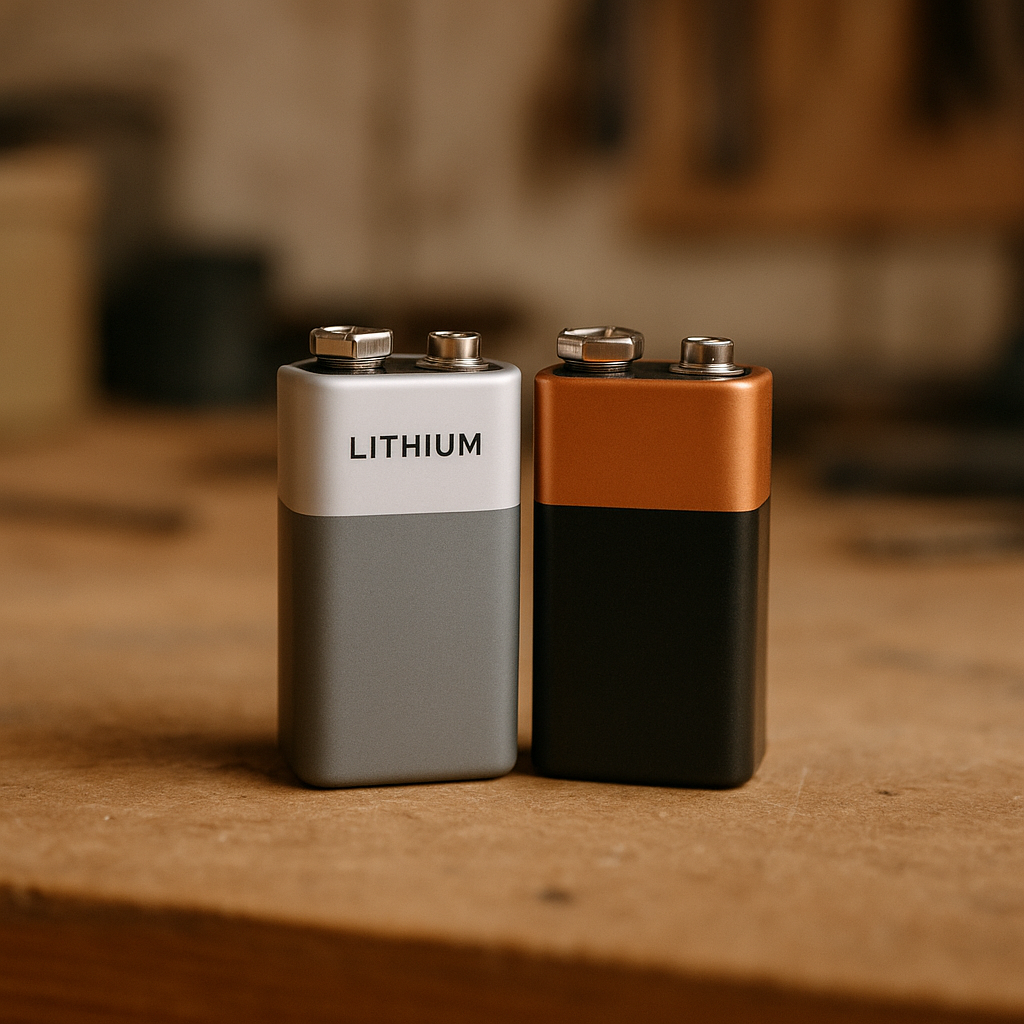
One of the first and most consequential choices a user must make is between a primary (single-use) and a secondary (rechargeable) 9V lithium battery. This decision extends beyond mere convenience, touching upon economics, environmental responsibility, and suitability for the intended application. Each type presents a compelling case, but for different reasons and different users. The nature of your device and your usage patterns will guide you toward the most logical and efficient solution.
Primary lithium batteries are engineered for a single, long-duration life cycle. Their key strength lies in their exceptionally low self-discharge rate and high energy density. This makes them the premier choice for devices where power must be available instantly and reliably after long periods of inactivity.
The quintessential application is the smoke detector. A primary 9V lithium battery for a smoke detector can often last for up to ten years, matching the recommended service life of the detector itself. This "install and forget" reliability is a safety feature, eliminating the need for annual battery changes and the annoying low-battery chirps that often lead people to disable their alarms. Other ideal uses include emergency flashlights, backup power for digital clocks, and garage door openers. In these scenarios, the battery may not be used for months or even years, and the assurance that it will work when called upon is paramount. The upfront cost is higher than alkaline, but for these critical, low-drain applications, the longevity and reliability provide unmatched value.
A rechargeable 9V lithium battery operates on a different philosophy: reuse. While its initial purchase price is higher than a primary battery, it can be recharged hundreds or even thousands of times, making it profoundly economical for high-drain devices (Batteries Inc., n.d.). Consider the financial and environmental waste of using disposable batteries in a device that needs a fresh one every few weeks.
Professional audio equipment is a prime example. Wireless microphone transmitters, effects pedals, and in-ear monitor packs consume power rapidly. For a touring musician, sound engineer, or theater production, the cost of single-use batteries would be astronomical over time. A rechargeable 9V lithium battery system provides consistent performance and can be recharged overnight, ready for the next day's work. Similarly, high-tech toys, medical devices like TENS units, and handheld testing equipment are excellent candidates for rechargeable batteries. The adoption of rechargeable technology represents a shift from a disposable mindset to one of sustainable, long-term investment.
To make a truly informed decision, it's helpful to see the characteristics of each battery type side-by-side. The following table provides a clear comparison across several key metrics, helping to illuminate the trade-offs involved.
| Feature | Primary 9V Lithium Battery | Rechargeable 9V Lithium Battery | Alkaline 9V Battery (for reference) |
|---|---|---|---|
| Initial Cost | High | Highest (includes charger) | Low |
| Long-Term Cost | High (for frequent use) | Low (after initial investment) | Very High (for frequent use) |
| Best Use Case | Low-drain, long-standby devices (e.g., smoke detectors) | High-drain, frequent-use devices (e.g., wireless mics) | General purpose, low-drain devices |
| Shelf Life | Excellent (up to 10+ years) | Moderate (loses charge over months) | Good (5-7 years) |
| Cycle Life | 1 (single use) | High (500-2000+ cycles) | 1 (single use) |
| Voltage Stability | Excellent (very flat discharge curve) | Very Good (flatter than alkaline) | Poor (steady voltage decline) |
| Environmental Impact | Moderate (fewer disposals than alkaline, but still waste) | Low (significantly reduces battery waste) | High (contributes to landfill waste) |
Walking down the battery aisle can feel overwhelming. The packaging is covered in numbers and technical jargon that can be difficult to parse. However, understanding a few key specifications will transform you from a confused consumer into an empowered buyer. These metrics—voltage, capacity, and self-discharge—are the language of battery performance. Learning to read them allows you to match a battery's capabilities directly to your device's needs.
The "9V" designation is more of a category name than a precise electrical measurement. As mentioned earlier, the internal construction of 9V batteries leads to variations in their actual voltage.
This voltage variance is critical. Most devices designed for a 9V battery can handle this range. However, some older or very sensitive electronic devices might be designed specifically for the voltage curve of an alkaline battery, which starts at 9V and gradually drops. Using a rechargeable battery that starts at 8.4V might cause the device to indicate a "low battery" status prematurely, even when the battery is full. Conversely, a device sensitive to over-voltage could theoretically be damaged, though most modern electronics have voltage regulation. It is always wise to consult your device's manual or manufacturer if you have concerns about voltage compatibility.
Capacity, measured in milliampere-hours (mAh), is arguably the most important specification for determining how long a battery will last. Think of it as the size of the battery's fuel tank. A battery with a 1200mAh rating can, in theory, deliver a current of 1200 milliamperes (1.2 amps) for one hour, or 120 mA for ten hours, and so on (Battery Distributors, 2025).
When comparing 9V lithium batteries, a higher mAh rating generally means a longer runtime. A primary 9V lithium battery might have a capacity of around 1200mAh, while a rechargeable 9V lithium battery typically falls in the 500-700mAh range. This might seem like a disadvantage for rechargeables, but their ability to be reused hundreds of times more than compensates for the lower capacity per charge cycle in high-drain applications. For a device like a wireless microphone that might drain a battery in a few hours, a 600mAh rechargeable battery that can be used 500 times is far more practical than a 1200mAh primary battery that must be discarded after a single use.
All batteries slowly lose their charge over time, even when not in use. This phenomenon is called self-discharge. The rate of self-discharge is a crucial factor, especially for batteries intended for emergency or standby devices.
Lithium chemistry excels in this area. Primary 9V lithium batteries have an exceptionally low self-discharge rate, often losing only 1-2% of their charge per year. This is why they can be marketed with a shelf life of 10 years or more and are the best choice for smoke detectors and emergency kits. Rechargeable lithium-ion batteries have a higher self-discharge rate, perhaps 5% in the first month and 1-2% per month after that, but this is still significantly better than older rechargeable technologies like Nickel-Metal Hydride (NiMH), which can lose 20-30% of their charge in the first month.
Within the category of rechargeable lithium batteries, there are further distinctions in chemistry that affect performance. While less common in the 9V format than in other battery types, understanding them provides a deeper insight into the technology.
| Chemistry Type | Key Characteristics | Common Applications | Safety Profile |
|---|---|---|---|
| Lithium-Ion (Li-ion) | Most common. Good balance of energy density and cost. Typically uses a cylindrical cell. | Majority of rechargeable 9V batteries, consumer electronics. | Good, with required protection circuits. |
| Lithium-Polymer (Li-Po) | Uses a polymer electrolyte, allowing for flexible, pouch-like cells. Slightly higher energy density. | Often used where space and shape are critical (e.g., thin devices). Less common in 9V format. | Good, but more susceptible to damage from puncture. |
| Lithium Iron Phosphate (LiFePO4) | Lower energy density but extremely long cycle life (2000+ cycles) and very safe. More stable voltage. | High-end power stations, some automotive uses. Rare in 9V format due to lower cell voltage. | Excellent, very thermally stable. |
For the vast majority of users seeking a rechargeable 9V lithium battery, the standard Li-ion chemistry will be the most available and suitable option, offering a great blend of performance, cycle life, and cost.
The utility of a 9V lithium battery is not monolithic; its value is realized in the context of the device it powers. From ensuring a family's safety to enabling an artist's performance, the choice of battery can have tangible consequences. Examining these specific use cases reveals how different attributes of lithium technology are prioritized to meet distinct and demanding requirements.
There is no application where battery reliability is more critical than in a smoke detector. The National Fire Protection Association in the United States recommends that batteries in smoke alarms be replaced at least once a year, or when the unit begins to chirp. This recommendation, however, was largely based on the performance of older alkaline batteries.
The advent of the primary 9V lithium battery has changed this paradigm. With a shelf life exceeding 10 years and a very low self-discharge rate, a lithium battery can reliably power a smoke detector for its entire recommended lifespan. This drastically reduces the chance of human error—forgetting to change the battery—and eliminates the nuisance of low-battery warnings. When selecting a 9V battery for a smoke detector, the choice is clear: a high-quality, UL-listed primary lithium battery is the safest and most reliable option. The higher upfront cost is a small price to pay for a decade of peace of mind.
For musicians, sound engineers, and broadcasters, equipment failure is not an option. Wireless systems—including microphones, guitar packs, and in-ear monitors—are notoriously power-hungry. An alkaline 9V might only last a couple of hours in a high-power transmitter, making it impractical and costly for professional use.
This is where the rechargeable 9V lithium battery shines. A set of high-capacity rechargeable lithium batteries, coupled with a multi-bay charger, becomes an essential part of a professional's toolkit. They provide a consistent voltage that ensures stable signal transmission and audio quality. At the end of a gig or recording session, the batteries are simply placed back in the charger, ready for the next use. This system is not only economically superior but also environmentally responsible, preventing hundreds of disposable batteries from ending up in landfills each year. The investment in a quality rechargeable system pays for itself rapidly in this demanding environment.
The 9V battery has long been a favorite in the world of DIY electronics, from simple circuits taught in schools to complex projects built by seasoned hobbyists. Its combination of a relatively high voltage in a compact form makes it ideal for powering microcontrollers like Arduino, driving small motors, and testing circuits on a breadboard.
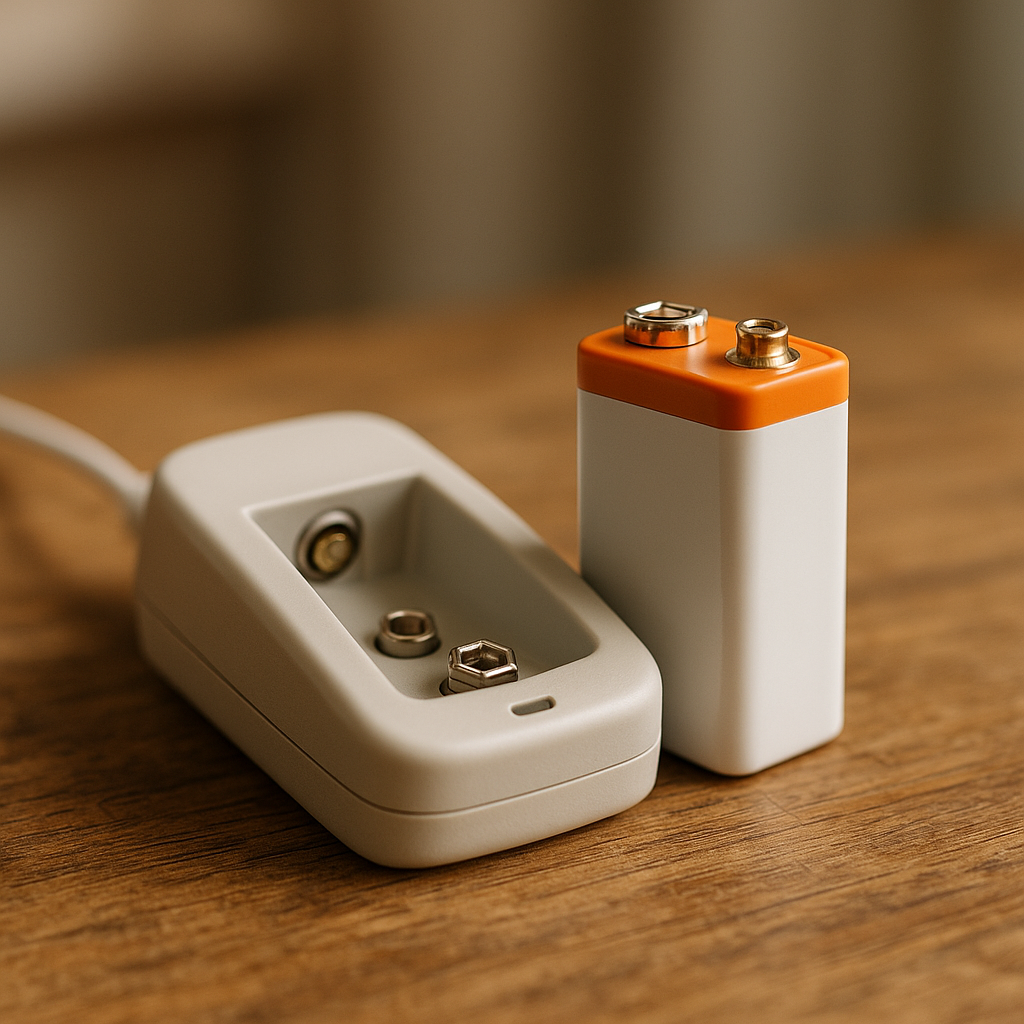
The introduction of rechargeable 9V lithium batteries has been a boon for this community. Projects that are used frequently can be powered without the constant expense of disposable batteries. Furthermore, many modern rechargeable 9V lithium batteries feature a built-in USB charging port (often USB-C), eliminating the need for a separate, bulky charging cradle. This allows a project to be recharged easily from a laptop, power bank, or standard USB wall adapter, adding a new level of convenience and portability to custom-built electronic creations.
While the 9V battery is a standardized and versatile component, many modern devices, particularly high-power ones, have moved toward proprietary battery systems. Cordless power tools are a perfect example of this trend. A drill or impact driver requires far more power than a 9V battery can deliver. Manufacturers like DeWalt, Milwaukee, and AEG have developed their own platforms of interchangeable battery packs and chargers. These ecosystems are built around specialized replacement battery packs that are designed to deliver high current and are optimized for the specific tools they power (Pkcell, 2025).
Understanding this distinction is important. The 9V format excels in portability and standardization for low-to-medium power devices. In contrast, high-demand applications often require the robust, integrated design of a dedicated battery system. This is why you power a smoke detector with a 9V battery but a circular saw with a 20V or 40V slide-on pack. Each is the right tool for its specific job.
The immense energy stored within a 9V lithium battery demands respect. While modern lithium batteries are overwhelmingly safe when used correctly, their high energy density means that misuse, damage, or improper charging can lead to hazardous situations. Understanding and adhering to proper safety protocols is not just a best practice; it is an essential responsibility for any user. This includes appreciating the built-in safety features, following correct charging and storage procedures, and ensuring the battery is managed responsibly at the end of its life.
A critical, yet often invisible, safety feature in any quality rechargeable lithium-ion battery is the Battery Management System (BMS), or protection circuit. This tiny electronic board is integrated into the battery pack and acts as its brain, constantly monitoring its state and protecting it from dangerous conditions.
A typical BMS for a rechargeable 9V lithium battery will provide:
When purchasing a rechargeable 9V lithium battery, especially from a lesser-known brand, it is vital to ensure it includes a quality BMS. Reputable manufacturers will always highlight this as a key safety feature.
Charging is the most critical phase in the life of a rechargeable battery. Using the wrong charger or improper technique can damage the battery and create a safety risk.
How you store your batteries can have a significant impact on their longevity and safety.
Lithium batteries should never be thrown into the regular trash. They contain materials that can be harmful to the environment if they end up in a landfill, and they can pose a fire hazard in waste collection trucks and facilities.
Responsible disposal is straightforward. In the United States, many major retailers like Best Buy and The Home Depot offer free battery recycling programs. You can also find local recycling centers through organizations like Call2Recycle. Before recycling, it is recommended to tape over the battery terminals to prevent any chance of a short circuit during transport. By taking a few moments to recycle your old batteries, you contribute to a circular economy, allowing valuable materials to be recovered and reused, and protecting the environment from potential harm.
Can I use a 9V lithium battery in any device that takes a 9V alkaline battery? In most cases, yes. The physical size and connectors are standardized. However, you should be mindful of the voltage differences. A rechargeable 9V lithium-ion battery may have a fully charged voltage of 8.4V, which could cause some devices to show a "low battery" warning prematurely. A primary 9V lithium battery has a very stable voltage close to 9V. It is always best to check the device's manual or manufacturer's recommendation if you have sensitive or vintage equipment.
How long does a 9V lithium battery last in a smoke detector? A primary (non-rechargeable) 9V lithium battery is specifically designed for this purpose and can last up to 10 years in a standard ionization or photoelectric smoke detector. This longevity is due to its high capacity and extremely low self-discharge rate. It is generally recommended to replace the battery when you replace the smoke detector itself, typically every 10 years.
Are rechargeable 9V lithium batteries worth the initial cost? For devices that you use frequently and that consume a lot of power (e.g., wireless microphones, high-tech toys, medical devices), a rechargeable 9V lithium battery is absolutely worth the investment. The initial cost of the battery and charger is quickly offset by the savings from not having to constantly buy disposable batteries. For a low-drain device like a smoke alarm or an emergency flashlight, a primary lithium battery is a more cost-effective and reliable choice.
Why does my new 9V lithium battery read higher than 9 volts? This is normal. A battery's "nominal voltage" is its average voltage during discharge. Its "open-circuit voltage" when fully charged is often higher. A primary lithium battery can be around 9.5V when new, and a rechargeable lithium-ion battery can be 8.4V or higher right off the charger. Most modern devices are designed to handle this slight variance without any issues.
How do I properly dispose of a 9V lithium battery? You should never throw a 9V lithium battery in the household trash. They are recyclable and contain materials that should be properly recovered. Before recycling, place a piece of electrical tape over the terminals to prevent short circuits. You can find battery recycling drop-off locations at many major electronics retailers (like Best Buy), home improvement stores, or through local municipal waste programs. Websites like Call2Recycle can help you find a recycling center near you.
What is the difference between a "lithium" and a "lithium-ion" 9V battery? Generally, when a 9V battery is labeled just "lithium," it refers to a primary (non-rechargeable) battery. These have a very long shelf life and are used in devices like smoke detectors. A "lithium-ion" (or Li-ion) battery is a secondary (rechargeable) battery. These can be recharged hundreds of times and are best for high-use devices.
The humble 9V battery has evolved far beyond its origins, with lithium chemistry elevating it from a simple disposable component to a sophisticated and versatile power source. Making an informed choice is no longer about simply grabbing the cheapest option off the shelf. It requires a thoughtful consideration of the device's specific needs—whether it demands the decade-long standby readiness of a primary lithium cell for a smoke alarm or the sustainable, repeatable power of a rechargeable lithium-ion battery for a professional's tools. By understanding the language of battery specifications—capacity, voltage, and self-discharge—and adhering to crucial safety and handling protocols, users can harness the full potential of this powerful technology. The right 9V lithium battery not only delivers superior performance and economic value but also represents a more responsible approach to powering our modern lives.
Batteries Inc. (n.d.). Best batteries for power tools. Retrieved from https://batteriesinc.net/best-batteries-for-power-tools/
Battery Distributors. (2025). Ultimate guide to understanding battery capacity ratings. Retrieved from https://batterydistributors.com/reference-guide/ultimate-guide-to-understanding-battery-capacity-ratings/
Jackery. (2023). How does a lithium-ion battery work? Retrieved from https://www.jackery.com/blogs/knowledge/how-does-a-lithium-ion-battery-work
Jackery. (2024). Ultimate guide to lithium-ion battery voltage chart (12V, 24V, 48V). Retrieved from https://www.jackery.com/blogs/knowledge/lithium-ion-battery-voltage-chart
Paleblueearth.com. (2023). Battery types, technologies, and common sizes. Retrieved from https://paleblueearth.com/blogs/news/types-of-batteries
Pkcell. (2025). Power tool batteries guide: Everything you need to know. Retrieved from https://pkcellsolution.com/newsblogs/power-tool-batteries-guide-everything-you-need-to-know/
Tools.com. (2025). Power lithium. Retrieved from
{"one"=>"Select 2 or 3 items to compare", "other"=>"{{ count }} of 3 items selected"}